HVO Fuel? What are You Waiting For?
Biofuels aren’t what they used to be. In terms of efficiency, stability and performance, they’ve come a long way. HVO (hydro treated vegetable oil) is now in its third generation and it’s better than ever before. And it’s not just a way for businesses to tackle their impact on the environment, it offers benefits in other areas too.
The latest HVO fuel has been engineered to tackle the environmental and performance problems of earlier generation biofuels as well as the problems caused by conventional fuels. It’s derived from 100% renewable waste streams and made by processes called hydrotreatment and isomerisation.
HVO is:
- A drop-in replacement for diesel. There are no engine modifications required and diesel and HVO can be mixed together so no need to drain tanks either
- A way to reduce your CO2 emissions immediately
- A fuel that provides near identical energy output to conventional fuel in both variable and fixed speed engines
- A fuel that meets EN 15940 standards, ASTM D975 and Fuel Quality Directive 2009/30/EC Annex II
- A fuel that does not need food crops (like corn) as input material, so it doesn’t use up valuable farmland that could be used for food production
- Approved by the world’s leading engine manufacturers including Cummins Inc., Detroit Diesel Corp and MAN SE as well as other European car manufacturers like Volkswagen Group, BMW AG and Daimler AG
- The only biofuel with a carbon footprint lower than regular diesel, making it an excellent choice to reduce your environmental impact and fight climate change
- A fuel for all-weathers. It has excellent low temperature performance, with a high cetane number of up to 90 and a low cloud point. This means that it provides good cold start performance, clean combustion and less chance of waxing in extreme temperatures
- Free from aromatics, sulphur and metals. This means that it’s an extremely clean-burning fuel. It also reduces particulate production during combustion, this slows down the ageing of engine oils whilst providing a more efficient burn.
FAQs about HVO
Is HVO expensive?
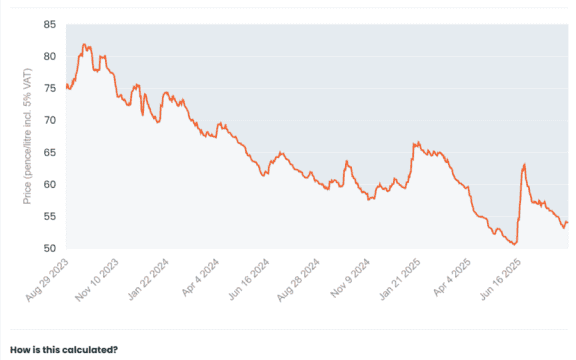
Whereas HVO currently has a slightly higher cost per unit than conventional diesel, as demand and supply increases this gap will decrease. Prices are also more stable than for conventional fuel. This means that it’s easier to plan your budget and forecasts are more accurate. You can also store HVO for up to 10 years, so can buy in bulk and bring prices down further. HVO is 100% hydrocarbon (0% oxygen) which reduces the need for regular testing whilst in storage.
Does using HVO require new infrastructure and vehicles?
There are no requirements to change existing fuel storage and delivery infrastructure. There is also no need to modify vehicles or purchase new plant. HVO mixes with conventional diesel so can be simply ‘dropped into’ tanks.
Is switching to electrically-powered vehicles a better choice for the environment?
Electrification reduces emissions and is part of the Government’s continued commitment to sustainability. But, it isn’t a zero emissions technology. It’s important to consider the whole picture of how energy gets from source to end user. For instance, it’s no good having electric-powered vehicles if the electricity was generated using coal. Sadly, that is still the case for much of the electricity produced in the UK and Europe. HVO is produced from sustainable crops and waste products so the environmental impact is low and prices remain stable.
Why make the switch now when most businesses haven’t done so?
As is often the case, some of the larger corporations, such as Nike and Coca Cola, were one of the first to make the switch. But, now 69% of business are considering switching to HVO in the next 12 months. Adoption of HVO fuel is growing as knowledge of the benefits increases and it becomes easier to secure a regular, cost-effective supply.
Early adopters are also reporting a favourable customer reaction to the fuel switch as consumer trends become more influenced by environmental concerns.
Storing HVO Fuel
HVO fuel, also known as Green Diesel or Green D, can be stored for up to 10 years, assuming good storage practices are followed. This gives you the opportunity to buy fuel in bulk and benefit from cost savings.
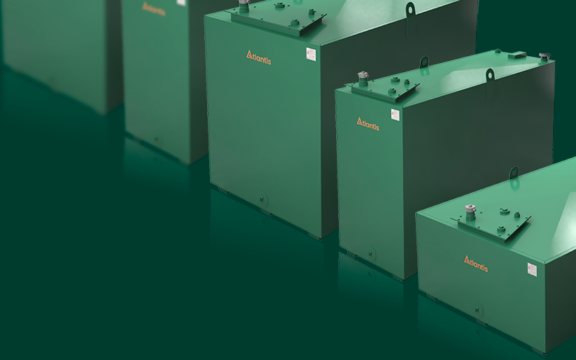
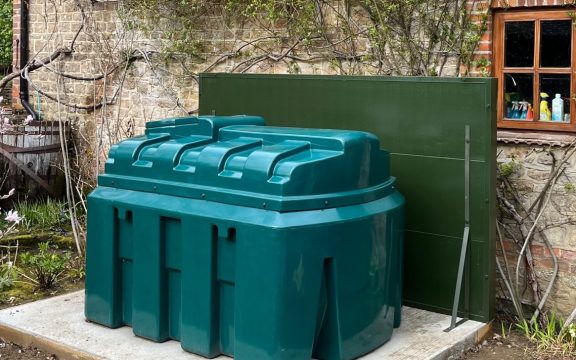
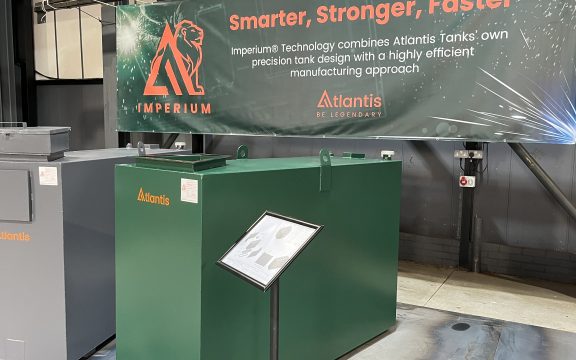
We stock HVO storage tanks and fuel dispensers. Our standard range of StoraFuel HVO tanks is available in various sizes up to 20,000 litres – but if you need something bigger, we can manufacture tanks that can hold up to 100,000 of HVO fuel.
Make the Switch to HVO Today! Give our team a call to discuss your needs on 0330 999 1100 or email [email protected]